If you’ve ever wondered whether brushing is enough… or if you’re bathing too much… you’re not alone.
Pet owners often find themselves guessing their way through grooming — scrubbing their pup after a muddy walk, brushing out clumps before guests arrive, or skipping it all and hoping for the best.
But here’s the truth: bathing and brushing are not interchangeable. They serve very different (but equally important) purposes. And when you understand how and when to use each, your pet’s coat — and health — can transform.
Let’s untangle the mystery behind these two essential grooming steps.
🧴 Bathing: It’s More Than Just Smell Control
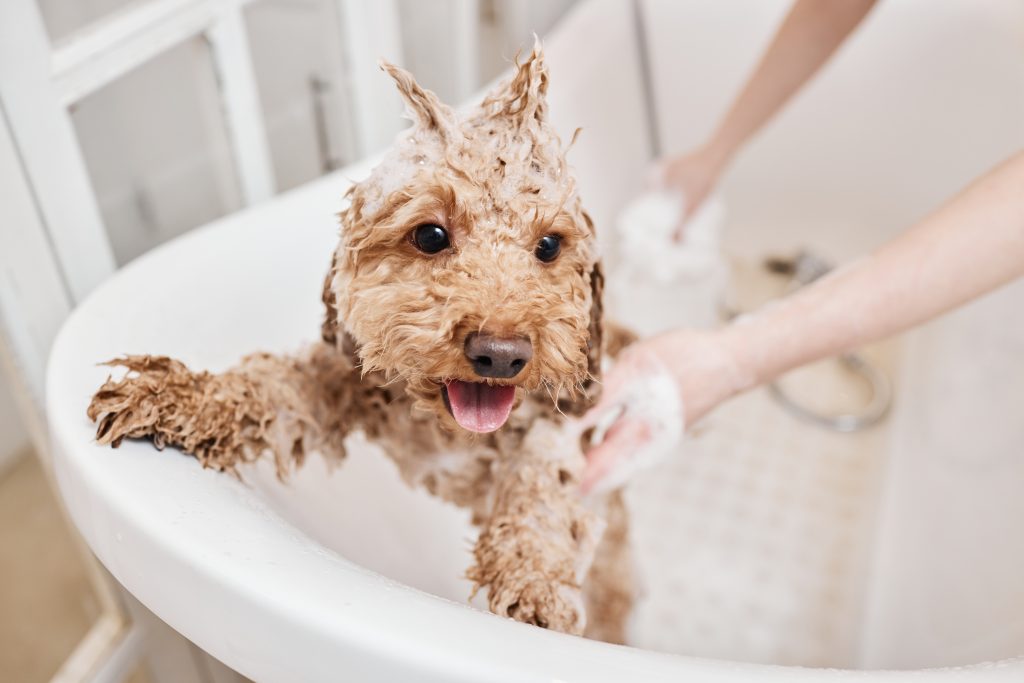
Bathing isn’t just about making your dog or cat smell better. It plays a crucial role in skin health, coat cleanliness, and parasite control.
🛁 What Bathing Actually Does:
- Removes dirt, oils, allergens, and bacteria from the skin
- Soothes irritation and itchy patches
- Helps treat conditions like dandruff or dermatitis (with medicated shampoos)
- Keeps your pet feeling (and smelling) fresh
❌ What Bathing Can’t Do Alone:
- Detangle knots or mats
- Remove deep-shed undercoat
- Prevent future buildup
Overbathing alert: Washing your pet too often can strip away natural oils, leading to dry, flaky skin and dull fur. Unless recommended by a vet, most pets don’t need frequent baths.
🪮 Brushing: The Grooming Hero You’re Probably Underrating
Brushing is often seen as optional. It shouldn’t be.
💡 Brushing does more than keep fur neat:
- Detangles fur and prevents painful mats
- Stimulates blood flow and distributes natural oils
- Reduces shedding (goodbye, hair-covered couches!)
- Strengthens your bond through physical touch
- Allows early detection of lumps, bumps, or skin problems
Brushing is essential — not only for long-haired pets but also for short-haired ones. Even smooth-coated dogs benefit from regular brushing, especially during shedding season.
Bonus: Brushing before a bath makes washing easier and more effective. Mats, if wet, tighten and become harder to remove.
🗓 How Often Should You Bathe vs. Brush?
🐕 Dogs:
| Coat Type | Brushing | Bathing |
| Short (e.g. Beagle) | 1x/week | Every 1–2 months |
| Medium (e.g. Lab) | 2–3x/week | Every 4–6 weeks |
| Long (e.g. Shih Tzu) | Daily | Every 3–4 weeks |
| Double coat (e.g. Husky) | 3–5x/week (daily during shedding) | Every 1–2 months |
🐱 Cats:
- Short-haired: Brush 1x/week, rarely bathe
- Long-haired: Brush daily, bathe every 6–8 weeks if needed
- Senior or obese cats: Brush more frequently (they groom themselves less)
🧼🪮 Why You Need Both — Not One or the Other
Think of bathing as resetting the skin — and brushing as maintaining the coat between those resets.
Skipping brushing leads to tangles, dull fur, and shedding chaos.
Skipping bathing allows dirt, dander, and allergens to build up — especially for pets with sensitive skin or allergies.
Together, they:
- Reduce vet bills by preventing infections or hot spots
- Keep your home cleaner
- Make your pet more comfortable — and more cuddly
🐾 Building a Realistic Routine
You don’t need a spa calendar. But you do need consistency.
Here’s a sample low-effort, high-impact routine:
- Monday: 5-minute brushing (coat check)
- Thursday: Nail check + wipe paws
- Weekend (every 3–4 weeks): Bath day
- Daily: Quick touch and visual check — early signs matter
✨ Conclusion of Grooming as Care, Not Chore
Grooming isn’t just about appearance — it’s about comfort, health, and connection.
Whether your pet is a shaggy mountain dog or a sleek indoor cat, taking the time to brush and bathe (on the right schedule) shows them something deeper than vanity — it shows love in action.
So next time you’re debating between a brush or a bath, remember:
They’re not competing. They’re a team.
And your pet deserves both.