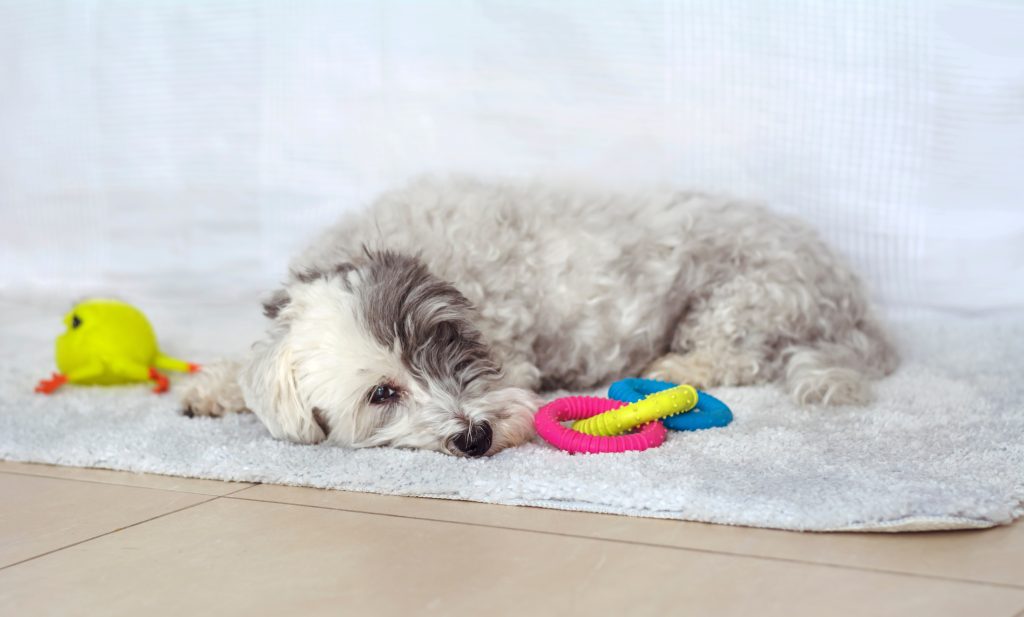
Dogs are social creatures—sudden departures or long absences can trigger anxiety, leading to destructive behavior or incessant barking. Addressing separation anxiety involves mental enrichment and systematic desensitization.
1. Recognize the Signs
- Excessive pacing, whining, or drooling when you prepare to leave.
- Destructive chewing of furniture or door frames.
- House soiling despite housetraining.
2. Enrich Your Dog’s Mind with Puzzle Toys
- KONG® filled with kibble or peanut butter: freezes into a challenge that lasts 15–30 minutes.
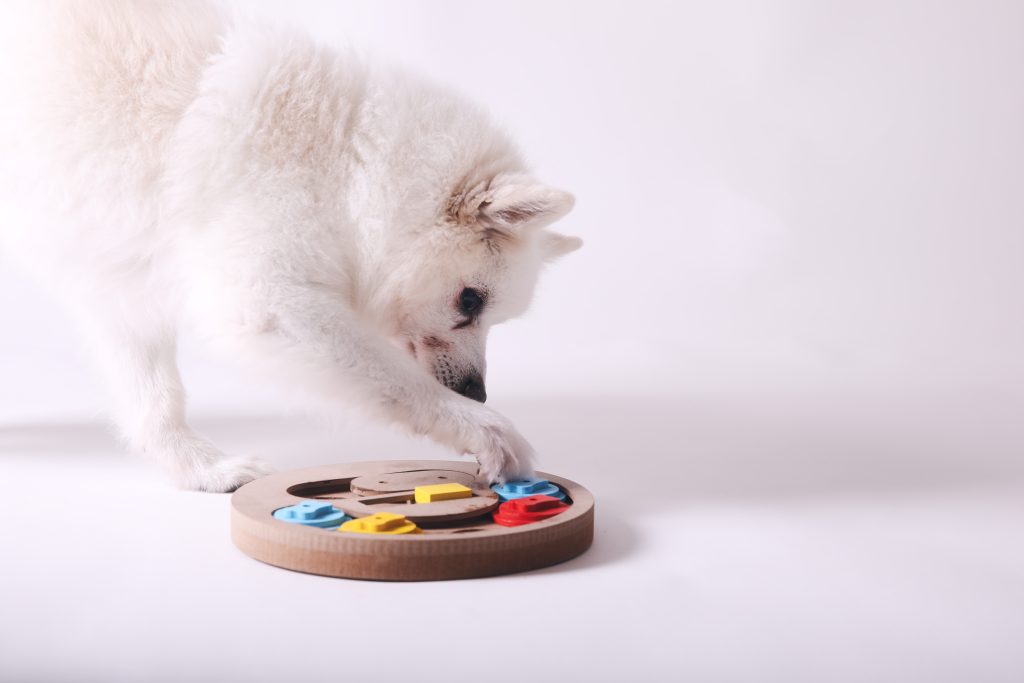
- Multi-compartment feeders: your dog must slide or lift lids to access treats.
- Snuffle mats: hide dry food in fabric strips for nose-work fun.
Tip: Rotate toys weekly to maintain novelty and engagement.
3. Systematic Alone-Time Training (Desensitization)
- Short departures (30–60 seconds): Put on your coat, pick up keys, step out briefly, then return calmly.
- Gradually increase duration by 10–20% every few days, watching your dog for stress signals.
- Keep arrivals low-key to avoid heightening your dog’s emotional response—no big hugs or exclamations.
4. Combine Enrichment & Desensitization
- Offer a puzzle toy just before you cue departure (e.g., “Be right back!”).
- Let your dog start working on it so their focus shifts from you leaving to solving the toy.
- Return while the toy is still interesting, reinforcing calmness.
5. Additional Strategies
- Create a “safe zone”: an area with favorite bedding, toys, and access to water.
- Use calming aids: pheromone diffusers (Adaptil®) or anxiety wraps can lower arousal.
- Background noise: low-volume classical music or white noise can mask external stimuli.
6. Monitoring Progress
- Video surveillance: set up a camera to review how long your dog stays calm.
- Journal your sessions: note durations, toy choices, and behavior—adjust pace accordingly.
Conclusion
Separation anxiety isn’t solved overnight, but combining engaging puzzle toys with a patient, step-by-step departure routine empowers your dog to feel secure alone. Over time, they’ll associate your absence with fun challenges rather than stress—leading to a happier, more confident companion.