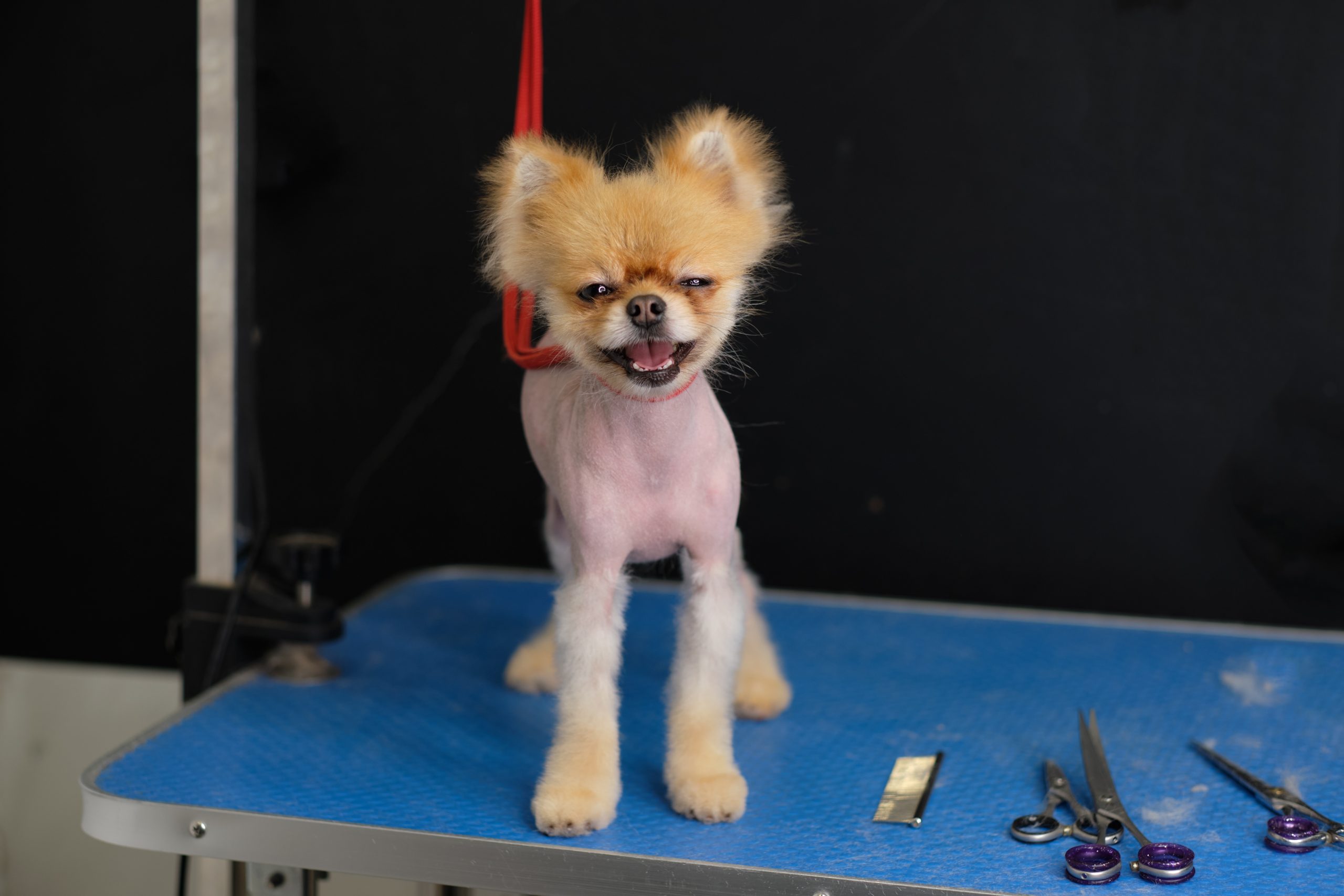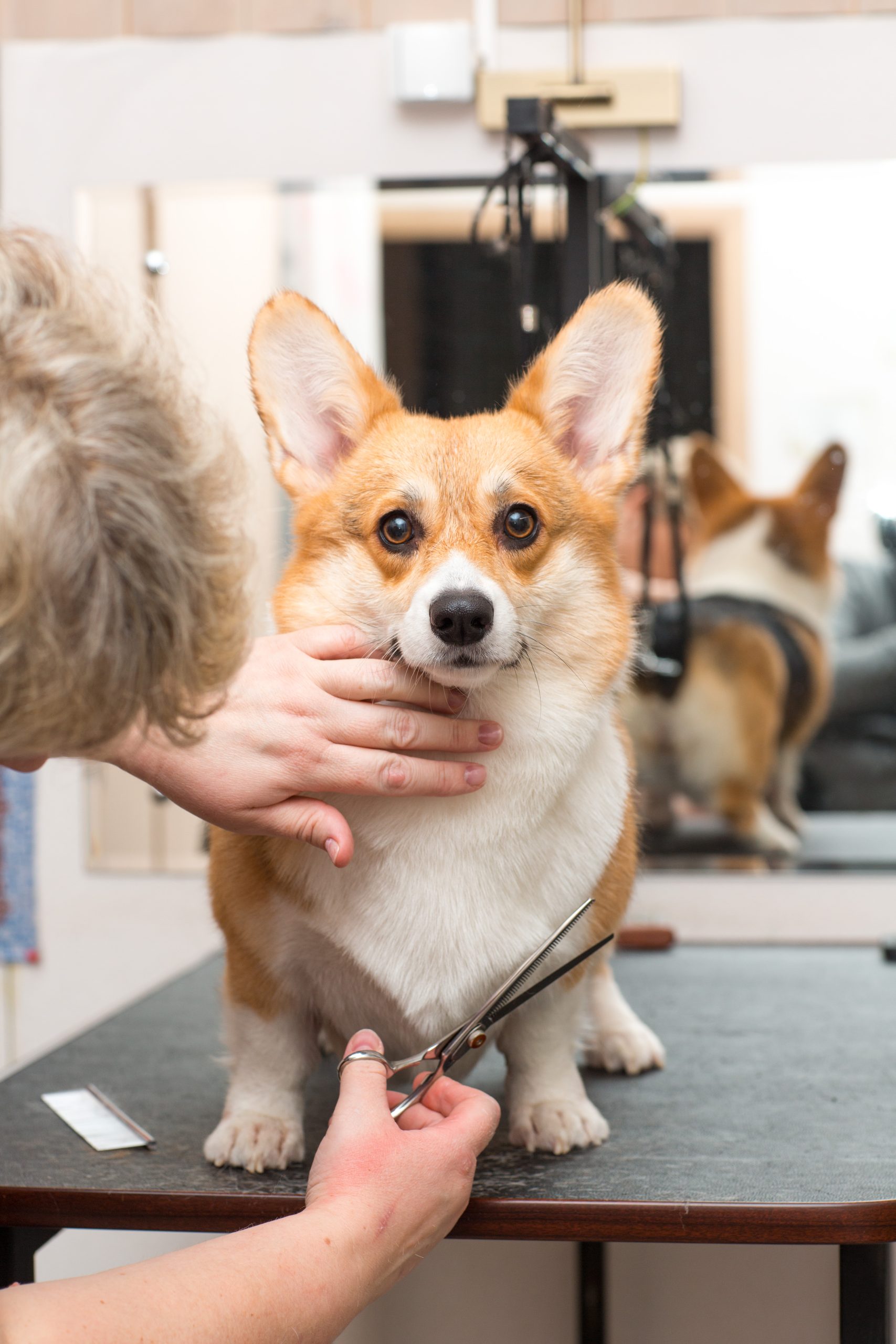
Whether you’re a new pet parent or have shared your home with animals for years, one question remains surprisingly common:
“How often should I groom my pet?”
The truth is, there’s no one-size-fits-all answer. The ideal grooming schedule depends on your pet’s breed, coat type, age, health, and even the season. But one thing’s certain — regular grooming isn’t just about keeping your pet pretty. It’s vital to their health, comfort, and happiness.
Let’s break down how often you should groom your pet — and what “grooming” really includes.
🐶 Why Grooming Frequency Matters
Grooming is more than baths and bows. It’s:
- Removing dead hair and skin
- Preventing painful matting
- Keeping nails at a healthy length
- Spotting lumps, parasites, or skin conditions early
- Strengthening your bond with your pet
A neglected coat can quickly turn into a health hazard — and for some pets, that can happen faster than you’d think.
🧬 Factors That Affect Grooming Frequency
Before setting a schedule, consider:
- Breed: Different breeds have very different grooming needs. A Poodle vs. a Beagle? Worlds apart.
- Coat type: Short, long, curly, double-coated — each type has specific requirements.
- Age: Senior pets may need more frequent gentle care. Puppies and kittens need extra patience.
- Health conditions: Allergies, sensitive skin, or arthritis can change how (and how often) grooming is done.
- Season: Dogs with thick coats may need extra brushing during shedding seasons (spring/fall).
🐕 Grooming Guidelines for Dogs
Here’s a general rule of thumb based on coat type:
🔹 Short-Haired Breeds (e.g., Beagle, Boxer):
- Brushing: Once a week
- Bathing: Every 1–2 months (unless dirty)
- Nails: Every 3–4 weeks
- Ears/Teeth: Weekly cleaning
🔹 Long-Haired Breeds (e.g., Shih Tzu, Afghan Hound):
- Brushing: Daily or every other day
- Bathing: Every 3–4 weeks
- Professional grooming: Every 4–6 weeks
- Nails & ears: Monthly
🔹 Double-Coated Breeds (e.g., Husky, Golden Retriever):
- Brushing: 2–3 times a week, daily during shedding
- Bathing: Every 1–2 months
- De-shedding: Professional blowout during shedding season
- Nails/ears: Monthly
🐱 Grooming Guidelines for Cats
Yes — cats groom themselves, but not always enough.
🔹 Short-Haired Cats:
- Brushing: Once a week
- Bathing: Rarely needed, only if dirty or ill
- Nail trimming: Every 3–4 weeks
- Ears/teeth: Check monthly
🔹 Long-Haired Cats (e.g., Persian, Maine Coon):
- Brushing: Daily to prevent mats
- Bathing: Every 4–6 weeks if tolerated
- Professional grooming: Optional but helpful
- Nails/ears: Monthly
🐰 What About Small Pets?
Rabbits, guinea pigs, and hamsters also need grooming!
- Brushing: Weekly for short-haired, daily for long-haired breeds
- Nail trimming: Every 4–6 weeks
- Spot checks: Regularly inspect for mats, parasites, and skin issues
- Bathing: Avoid if possible — small pets can go into shock from water
⚠️ Signs Your Pet Needs Grooming More Often
Watch for:
- Excess shedding or fur clumps
- Greasy or smelly coat
- Discomfort or licking certain areas
- Long, clicking nails
- Dirt around ears or eyes
- Bad breath (indicates dental issues)
If you’re seeing any of these — it’s time to increase your grooming frequency or consult a vet/groomer.
📅 Build Your Own Grooming Schedule
Here’s a simple template you can adapt to your pet:
| Task | Frequency | Notes |
| Brushing | 2–7x per week | Depends on coat type |
| Bathing | Every 4–8 weeks | Adjust based on lifestyle |
| Nail trimming | Every 3–4 weeks | Watch for clicking sounds |
| Teeth cleaning | Weekly (daily ideal) | Dental chews can help |
| Ear cleaning | Monthly or as needed | Especially for floppy-eared pets |
Final Thoughts
There’s no “perfect” grooming schedule — only the one that works for you and your pet’s unique needs. Start simple, stay consistent, and remember: grooming isn’t just a chore — it’s an act of care.A clean, brushed, and comfortable pet isn’t just healthier — they’re happier, too.