Feeding your pet a balanced, nutritious diet is one of the most important steps you can take to ensure their long-term health and happiness. From choosing the right commercial food to incorporating fresh ingredients and treats, here’s a comprehensive guide to providing optimal nutrition for dogs and cats.
1. Choose a “Complete & Balanced” Commercial Diet
- Look for AAFCO or FEDIAF Approval
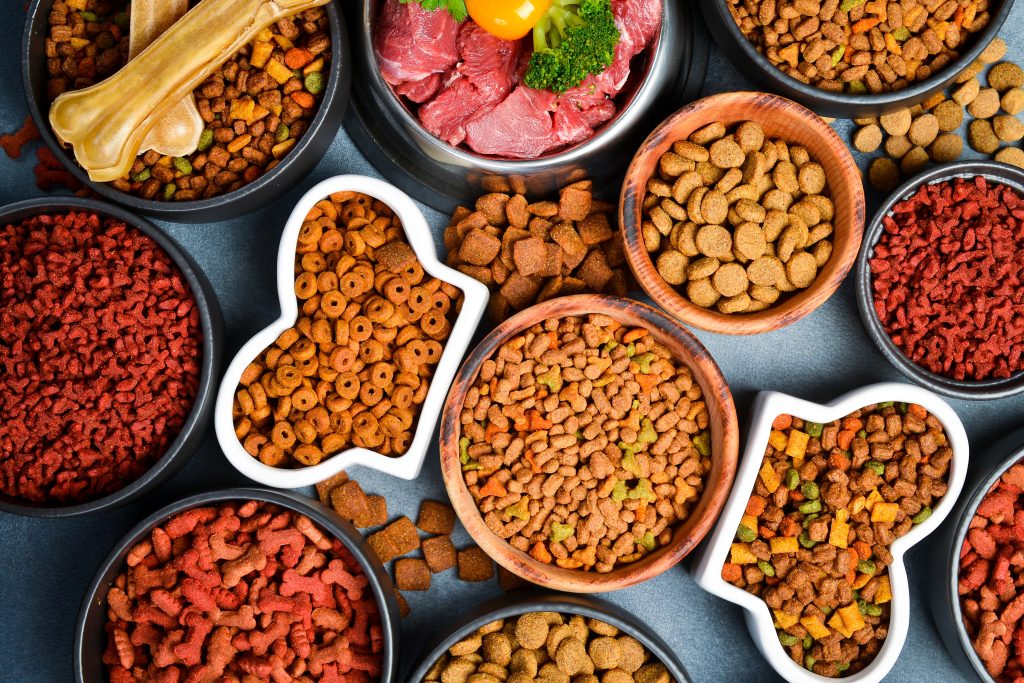
These standards ensure the food meets minimum requirements for proteins, fats, vitamins, and minerals for your pet’s life stage (puppy/kitten, adult, senior). - Life-Stage & Lifestyle Formulas
Select puppy, adult, or senior formulas—and consider special lines for small breeds, large breeds, weight management, or activity levels.
2. Read Labels Carefully
- First Ingredients Matter
The first one or two listed ingredients should be named animal proteins (e.g., “chicken,” “salmon meal”), not generic “meat meal” or by-products. - Whole-Food Boosters
Ingredients like sweet potato, apple, pumpkin, and blueberries provide fiber, antioxidants, and vitamins. - Avoid Fillers & Additives
Steer clear of foods heavy in corn, wheat, artificial colors, flavors, or preservatives (BHA, BHT).
3. Portion Control & Feeding Schedule
- Measure Every Meal
Use a kitchen scale or calibrated measuring cup according to the manufacturer’s feeding chart. - Split into Multiple Meals
Dogs: 2 meals per day helps stabilize energy and digestion; puppies often need 3–4 smaller meals.
Cats: 2–3 meals or free-feeding with monitored portions to prevent overindulgence. - Adjust for Body Condition
Monitor weight monthly and adjust portions by 5–10 % if your pet is gaining or losing more than 1–2 % of body weight a month.
4. Fresh Foods & Safe Home Additions
- Lean Proteins
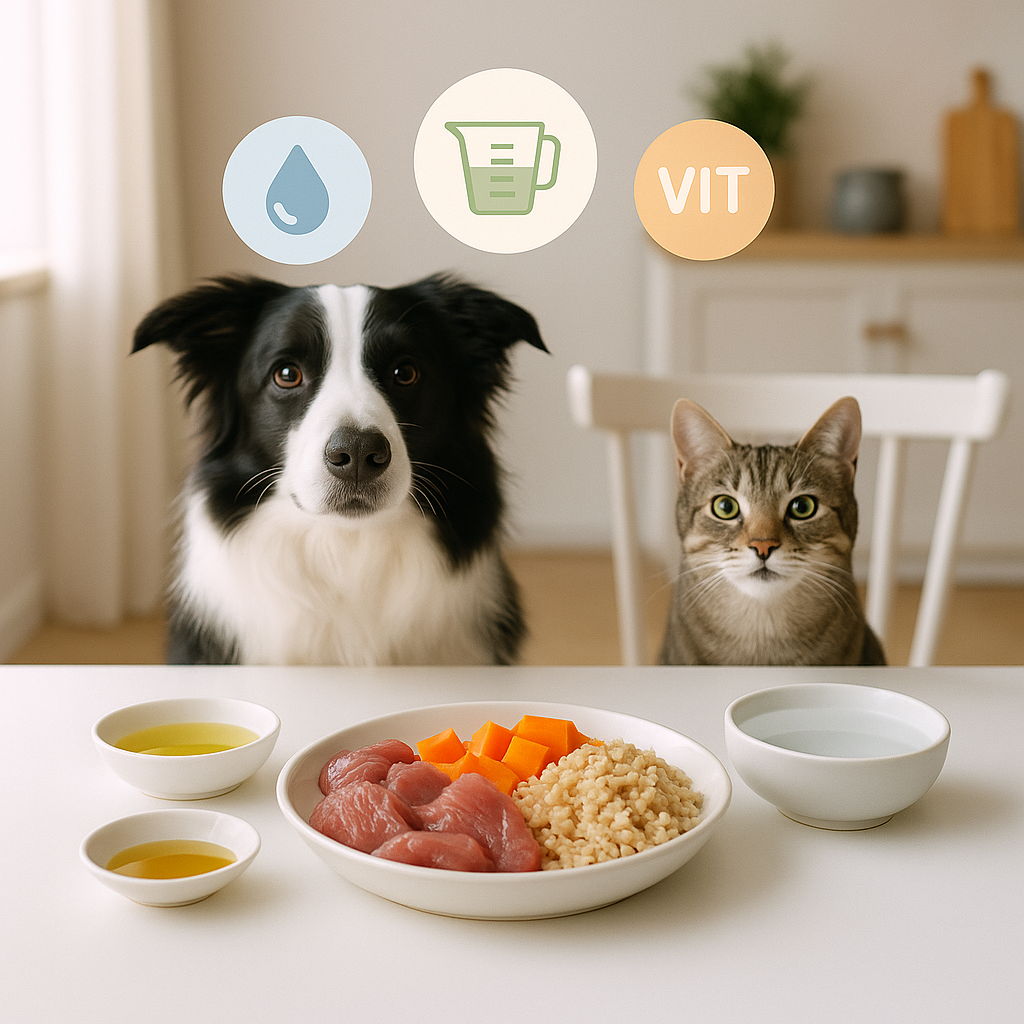
Cooked chicken, turkey, or fish (boneless & unseasoned) can supplement dry food—up to 10 % of daily calories. - Vegetables & Fruits
Carrots, green beans, pumpkin, sliced apples (no seeds), and blueberries provide fiber and nutrients. - Whole Grains
Plain, cooked rice or oats (no butter or salt) in small amounts can soothe sensitive stomachs. - Caution:
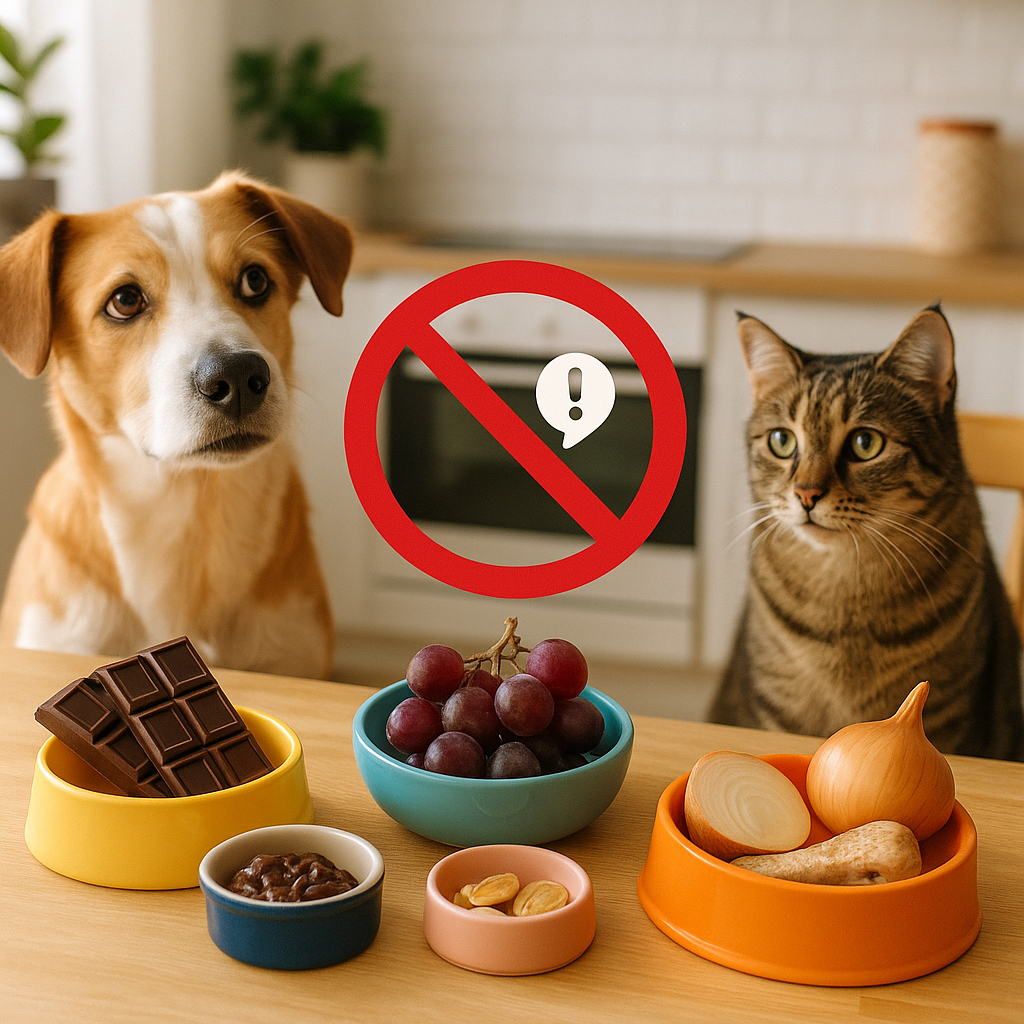
Never feed chocolate, grapes, raisins, onions, garlic, avocado, or xylitol-containing products.
5. Hydration Is Key
- Constant Access to Clean Water
Refresh bowls daily; consider a pet water fountain for fussy drinkers. - Wet Food & Broths
Incorporate canned food or add low-sodium chicken or beef broth to kibble for extra moisture—especially important for cats and senior pets.
6. Healthy Treats & Supplements
- Treats ≤ 10 % of Daily Calories
Opt for single-ingredient treats like freeze-dried liver, plain green beans, or small pieces of cooked sweet potato. - Joint & Skin Support
Omega-3 supplements (fish oil), glucosamine/chondroitin chews can aid aging pets. - Probiotics & Digestive Enzymes
Help maintain gut health—consult your veterinarian for appropriate formulations.
7. Managing Special Dietary Needs
- Weight Management
Switch to a controlled-calorie formula, increase fiber, and add low-impact exercise. - Food Sensitivities & Allergies
Elimination diets with novel proteins (duck, venison) or hydrolyzed protein formulas can pinpoint triggers. - Medical Conditions
Prescription diets (renal, hepatic, gastrointestinal, diabetic) require veterinary guidance and monitoring.
8. Regular Monitoring & Veterinarian Guidance
- Body Condition Scoring
Aim for a “waist behind the ribs” and ribs you can feel under a thin fat layer. - Annual (or Semiannual for Seniors) Checkups
Discuss weight trends, bloodwork anomalies, and any digestive concerns with your vet. - Adjust as Your Pet Ages
Lifelong nutritional needs change—puppy growth, adult maintenance, and senior organ support all require formula tweaks.
Conclusion
A thoughtful approach to pet nutrition combines high-quality commercial diets, measured portions, fresh food add-ins, and mindful treats. By reading labels, monitoring body condition, and partnering with your veterinarian, you’ll build a foundation for a long, energetic, and healthy life for your beloved companion.