Countless “folk” tips circulate about pet nutrition, but some can be outright dangerous. Let’s debunk the most common myths about feeding your cats, dogs, and small mammals.
1. Cats and Milk: “Lactose Isn’t a Problem”
Myth: Cats love milk and it’s good for them.
Reality: Most adult cats are lactose intolerant—cow’s milk often causes upset stomach, vomiting, and diarrhea.
What to Do: Offer lactose-free milk alternatives or simply provide fresh water.
2. Dogs and Onions/Garlic: “Just a Little Won’t Harm”
Myth: Small amounts of onion or garlic add flavor and vitamins.
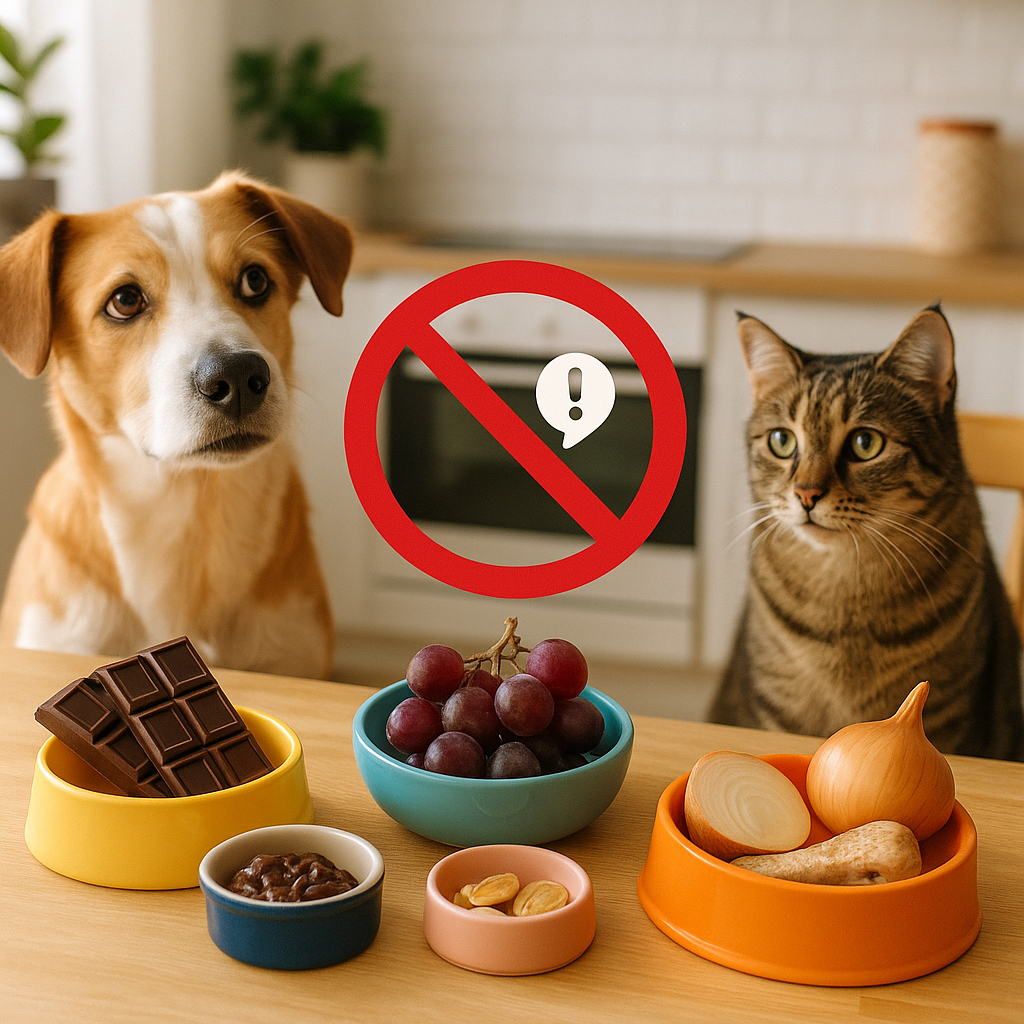
Reality: Thiosulfates in onions and garlic destroy red blood cells, leading to anemia. Even a few grams per kilogram of body weight can be dangerous.
What to Do: Eliminate all Allium family foods (onion, garlic, leeks) from your dog’s diet.
3. Bones for Teeth: “Better Than a Toothbrush”
Myth: Chewing bones cleans teeth and aids digestion.
Reality: Sharp bone fragments can cut gums, cause perforations in the stomach or intestines.
What to Do: Offer rubber or fabric chew toys and vet-approved dental chews instead.
4. Chocolate and Coffee: “Dogs Love Sweets”
Myth: Chocolate treats are harmless indulgences.
Reality: Theobromine and caffeine are highly toxic to dogs and cats—leading to arrhythmias, tremors, and seizures.
What to Do: Keep all cocoa-containing products well out of reach.
5. Grapes and Raisins: “A Few Won’t Hurt”
Myth: Sweet grapes are a healthy snack.
Reality: Even a small amount can cause acute kidney failure in dogs.
What to Do: Avoid feeding grapes, raisins, or any foods containing them.
6. Avocado: “Healthy Fats for Shiny Coats”
Myth: Avocado oils boost skin and coat health.
Reality: Persin and other compounds can damage the liver and cause gastrointestinal upset.
What to Do: Do not offer any avocado, even in tiny quantities.
7. Sugar Substitutes (Xylitol, Sorbitol): “Sugar-Free Is Safe”
Myth: Sugar-free sweeteners pose no risk.
Reality: Xylitol causes a rapid insulin surge, life-threatening hypoglycemia, and liver failure in dogs.
What to Do: Read labels carefully on gum, toothpaste, and diet products.
Pet Owner Tips
- Consult Your Veterinarian. Always check with a vet before introducing new foods.
- Follow “No-Go” Lists. Choose safe treats and supplements instead of risky items.
- Select Balanced Commercial Diets. Quality dry or wet foods contain all essential nutrients without hazardous ingredients.
Your pets trust you to make the right choices—never let them down with outdated myths!