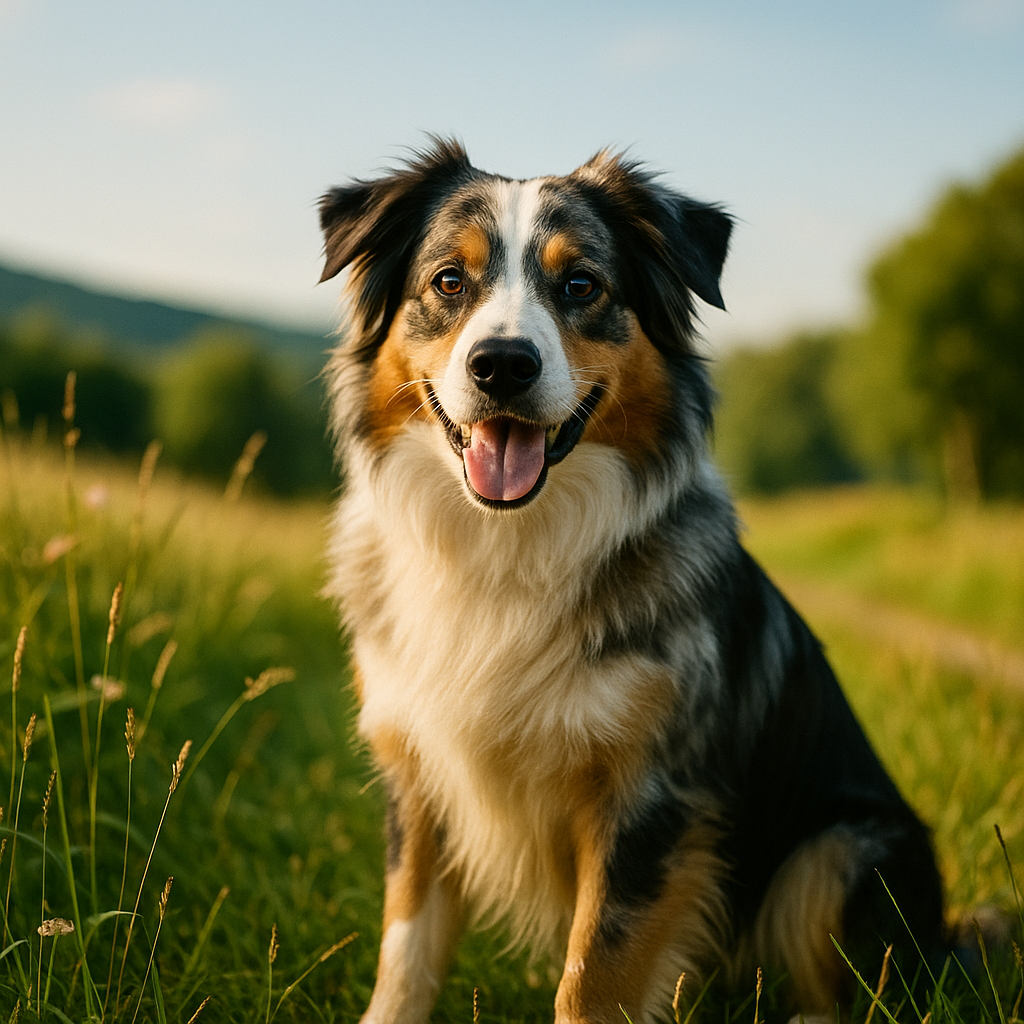
The Australian Shepherd—affectionately known as the “Aussie”—is one of the smartest, most energetic breeds you can bring into your home. Bred for herding livestock, Aussies possess a powerful instinct to gather and direct a “flock.” But does owning an Aussie mean you must become a real-life shepherd? Not necessarily. Here’s how to channel their natural talents into safe, fulfilling activities.
1. Understanding the Herding Instinct
- Origins: Descended from British herding dogs, Aussies were refined in the American West to round up sheep and cattle over vast ranches.
- Inborn Behavior: Even without actual sheep, an Aussie will instinctively circle—“penning” anything it views as part of its flock: other dogs, children, or even joggers.
- Genetic Drive: This strong “gather-and-control” instinct means your Aussie craves purposeful work, whether on a farm or in your living room.
2. Must You Act Like a Shepherd?
Yes—but in a modern, adapted way. Your Aussie needs outlets for both physical energy and herding intelligence:
- Physical Exercise:
- Daily Activity: Plan for 60–90 minutes of vigorous exercise—running, fetch, or swimming.
- Dog Sports: Agility, flyball, and canicross mimic herding tasks and satisfy their athleticism.
- Daily Activity: Plan for 60–90 minutes of vigorous exercise—running, fetch, or swimming.
- Mental Work:
- “Toy Flock” Games: Scatter rubber “lamb” toys around the yard and cue your dog to gather them.
- Group “Herding” Drills: Teach your Aussie to round up other dogs or plush toys using simple commands.
- “Toy Flock” Games: Scatter rubber “lamb” toys around the yard and cue your dog to gather them.
- Obedience & Herding Cues:
- Core commands (“Come,” “Sit,” “Stay”) form the foundation.
- Introduce herding-specific cues like “Circling” and “Stop” with short, reward-based sessions.
- Core commands (“Come,” “Sit,” “Stay”) form the foundation.
3. Practical “Urban Shepherd” Tips
- Daily Schedule:
- Morning: Brisk jog or frisbee session in the park.
- Afternoon: Interactive puzzle toys to keep their mind busy.
- Evening: Leisurely leash walk with obedience refreshers.
- Morning: Brisk jog or frisbee session in the park.
- Gear & Tools:
- Frisbees & Balls: Great for high-speed retrieval and recalls.
- Clicker Training: Marks precise moments of correct “herd” behavior before rewarding.
- Frisbees & Balls: Great for high-speed retrieval and recalls.
- Family & Flock Integration:
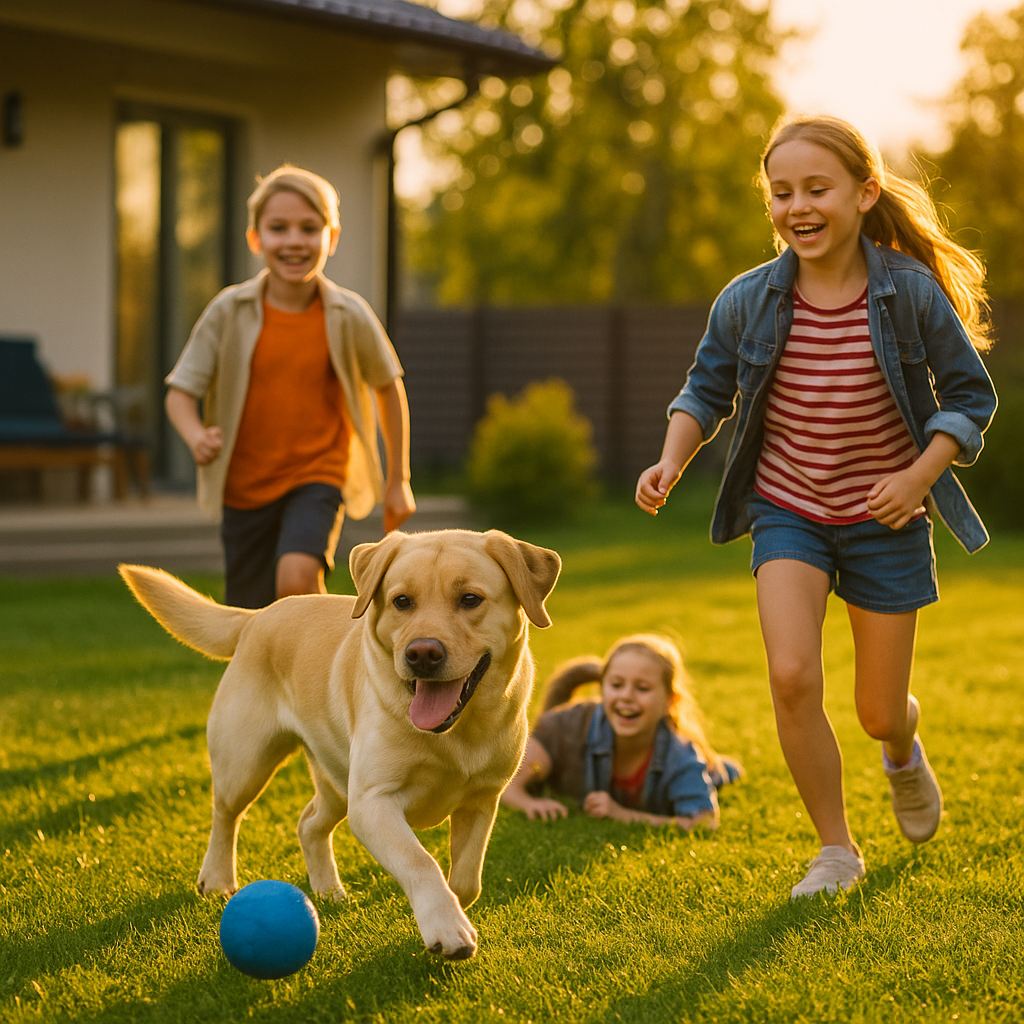
- Kids as “Sheep”: Teach gentle guiding games so your Aussie learns to be careful around children.
- Other Pets: Use controlled introductions and reward calm “herding” near cats or smaller animals.
- Kids as “Sheep”: Teach gentle guiding games so your Aussie learns to be careful around children.
4. When Herding Becomes a Problem
- Excessive Nipping or “Rounding Up”: Your Aussie may nip at heels or chase fast-moving targets if unstimulated.
- Destructive Energy: Under-exercised Aussies can develop anxiety, leading to chewing, barking, or digging.
Solutions:
- Increase both physical workouts and herding-style activities.
- Enroll in structured herding or advanced obedience classes—even a single session can redirect instinctive behavior.
5. Conclusion
Owning an Australian Shepherd doesn’t mean you need real sheep, but it does mean embracing their herding nature. By providing ample exercise, mental challenges, and clear herding “jobs,” you let your Aussie thrive. Think of yourself as an “urban shepherd”: guide their instincts into safe, fun, purposeful activities—and you’ll have a happy, well-balanced companion with you every step of the way.