Bringing home a rescue pet is a beautiful moment — but it’s also the beginning of a journey. Behind the wagging tail or curious purr might be an animal adjusting to new sounds, routines, and humans. So what happens after the adoption day glow fades?
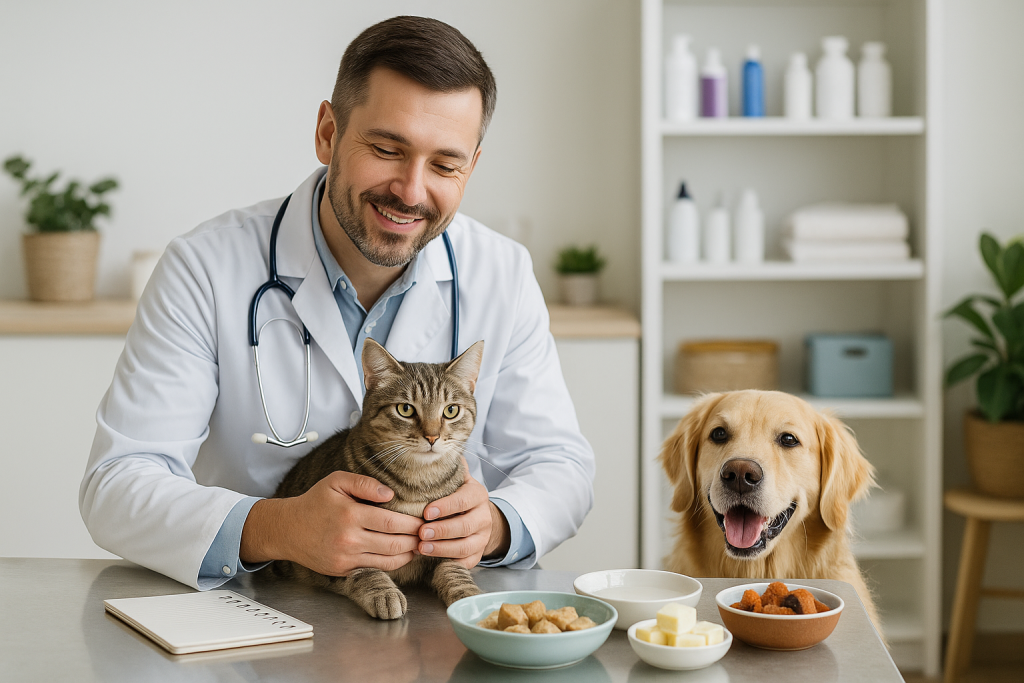
To find out, we sat down with Dr. Kateryna Levchuk, a veterinarian with over 12 years of experience working with both domestic pets and rescued animals. In this interview, she shares expert insights into what new pet parents should expect — medically, behaviorally, and emotionally — in the first weeks after adoption.
Q: What’s the first thing a new pet owner should do after bringing a pet home?
Dr. Levchuk:
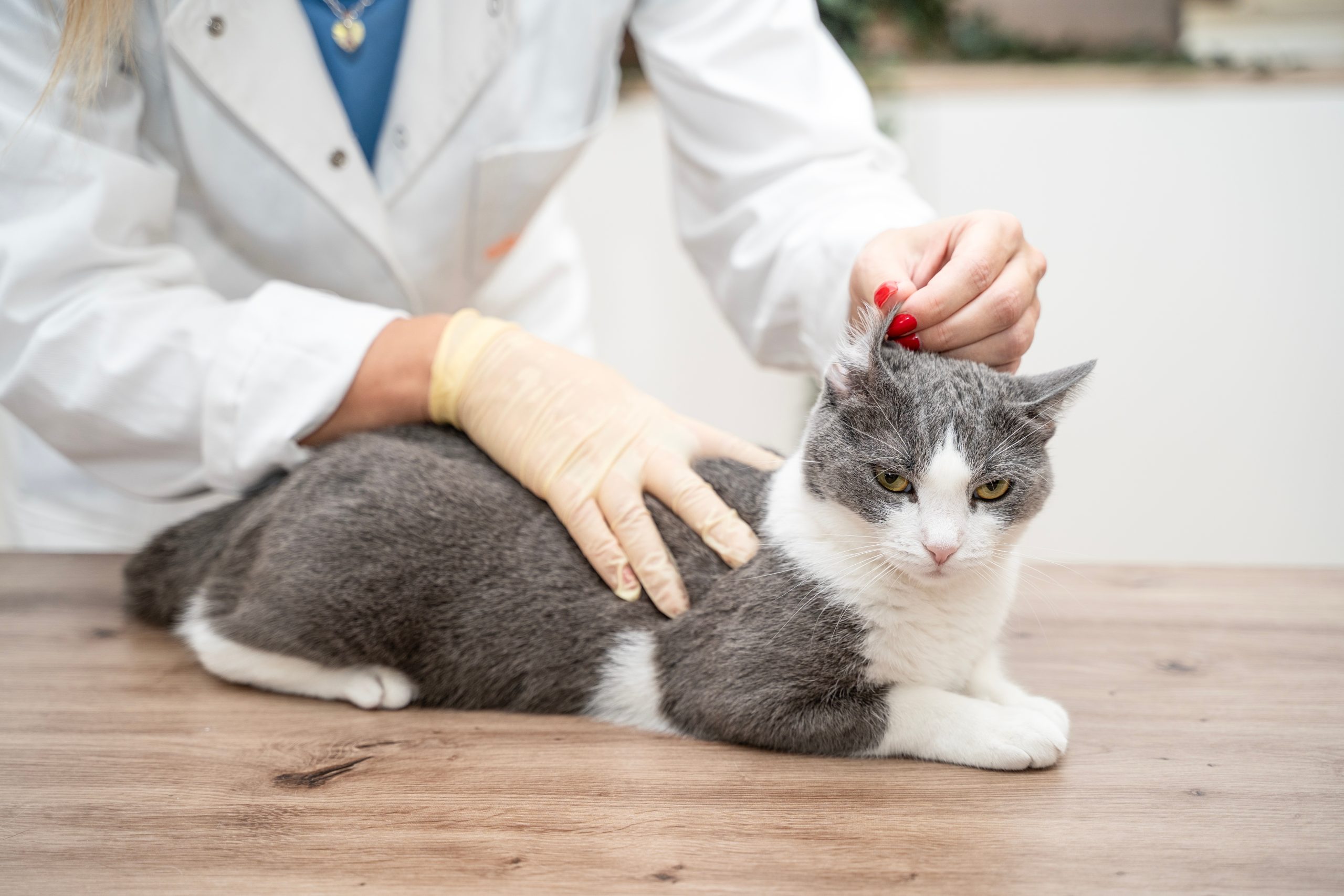
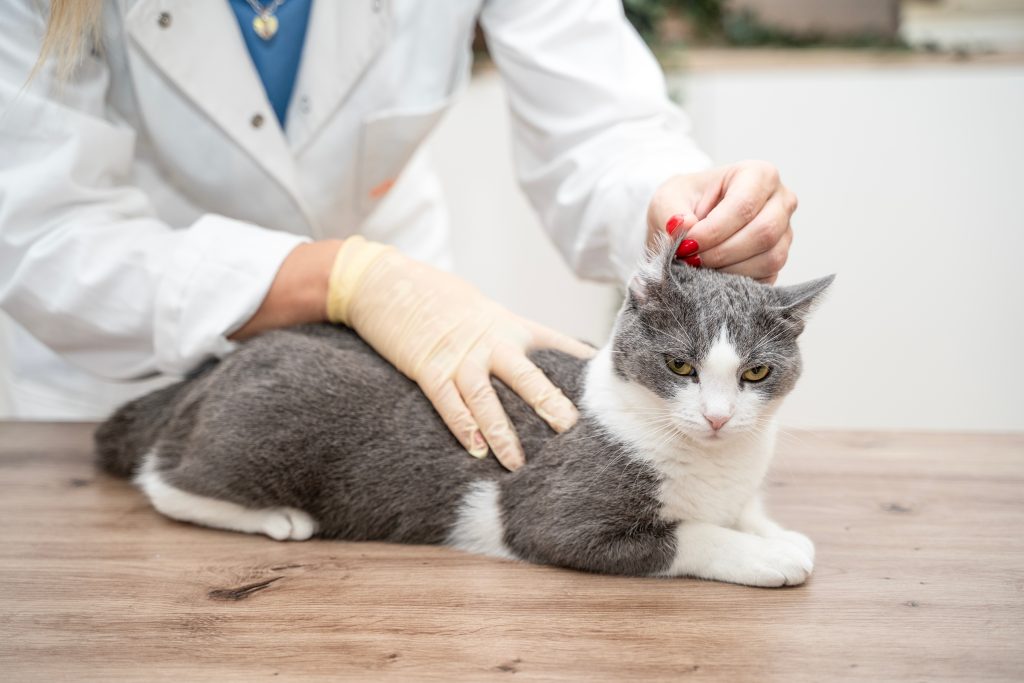
“Schedule a full vet check-up within the first week. Even if the shelter says the pet is healthy, it’s important to establish a medical record with your own vet. We check for parasites, skin conditions, early dental issues, and anything that may not have been obvious.”
🔍 Pro tip: Bring all documents from the shelter, including vaccination records and any previous treatments.
Q: Are there common health issues in adopted animals that new owners should be aware of?
Dr. Levchuk:
“Yes, especially with animals that were strays or in overcrowded shelters. Common issues include:
- Intestinal parasites (worms, giardia)
- Ear mites or infections
- Dental problems
- Malnutrition or obesity (depending on the shelter conditions)
- Behavioral-related symptoms like excessive licking or scratching”
🐶 Important: “Stress can trigger symptoms, especially in the first days. If your pet stops eating, hides constantly, or has diarrhea — don’t panic, but do call your vet.”
Q: What’s your advice on vaccinations and microchipping?
Dr. Levchuk:
“Many shelters provide core vaccinations, but booster shots may be needed. Your vet will create a custom schedule depending on the pet’s age and history.
As for microchipping — absolutely do it if it hasn’t been done already. It’s the best chance your pet has to be returned if lost.”
📋 Checklist for first visit:
- General health exam
- Vaccination review
- Parasite prevention
- Microchipping (if needed)
- Nutritional assessment
Q: What behavioral changes should new adopters expect in the first weeks?
Dr. Levchuk:
“Many adopted pets are overwhelmed at first. It’s common to see:
- Hiding or avoiding contact
- Refusing food for a day or two
- Minor aggression or barking
- Accidents in the house even if trained
This doesn’t mean they’re ‘bad’ pets — it means they’re scared or confused.”
🏡 Advice: “Keep things calm and consistent. Create a quiet space where your pet can retreat. Routine, patience, and positive reinforcement are key.”
Q: How soon should owners start training or socializing their new pet?
Dr. Levchuk:
“Training should begin as soon as the pet starts to settle — usually within the first week. But keep it simple and low-pressure. Focus on:
- Basic commands (sit, stay, come)
- Gentle leash walking
- House rules (where they can sleep, eat, etc.)
For socialization, start slowly. Don’t bring them to a dog park on day two! Let them observe the world from a safe distance first.”
🐾 Tip: Consider working with a trainer who has experience with rescue animals.
Q: What should adopters know about nutrition and diet changes?
Dr. Levchuk:
“Switching food too quickly can cause stomach upset. Ask the shelter what they’ve been feeding, and if you want to switch brands, do it gradually over 7–10 days.
Also, be mindful of overfeeding. Many people overcompensate with treats, thinking they’re showing love — but this can cause obesity, especially in older or less active pets.”
🦴 Bonus tip: “Focus on high-quality, balanced food. For rescues recovering from stress or underweight conditions, nutritional support is vital.”
Q: What’s your #1 piece of advice to someone who just adopted a pet?
Dr. Levchuk:
“Don’t expect perfection. These animals have lived through uncertainty. What they need is stability, patience, and unconditional care. If you give them that, they’ll give you more love than you can imagine.”
Final Thoughts
Adopting a pet is more than signing papers — it’s opening your heart and home to a new family member. The early days might be filled with small challenges, but they’re also the foundation of trust.
With the support of a compassionate vet, a bit of research, and a lot of love, you’ll not only help your pet adjust — you’ll become the safe place they’ve always needed.