Labrador Retrievers are beloved worldwide for their friendly disposition and versatility. Yet their high energy and strong retrieving instincts mean they’re not the best fit for every household. Here’s a deeper dive into what life with a Lab really looks like.
1. Breed History & Origins
Originally from Newfoundland (not Labrador!), these “St. John’s dogs” aided fishermen by retrieving nets and pulling carts. British breeders refined them into the three color varieties we know today—black, yellow, and chocolate—before they exploded in popularity as gun dogs and, later, service companions.
2. Physical Characteristics
- Size: Males 29–36 kg, females 25–32 kg
- Coat: Short, dense double coat sheds seasonally; water-resistant for swimming
- Build: Athletic, with a “otter” tail for steering in water and webbed feet for propulsion
3. Temperament & Personality
- People-Oriented: Labs crave human company and form deep bonds with family members of all ages.
- Playful & Outgoing: Known for “soft mouths,” even puppies retrieve toys gently rather than play-biting.
- Adaptable: From busy city apartments (with proper exercise) to farm life, they adjust if you meet their activity needs.
4. Ideal Home & Environment
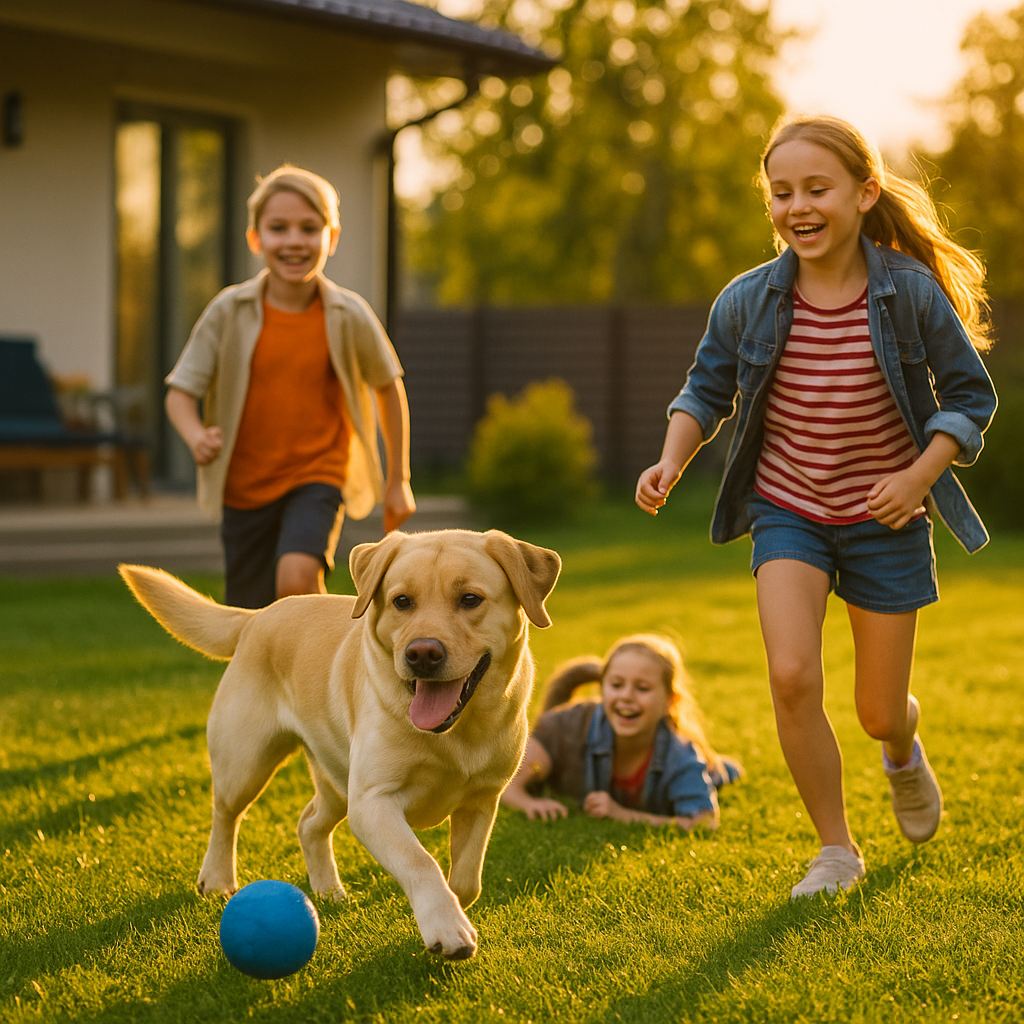
- Space: A secure, fenced yard lets them chase balls safely; without it, twice-daily vigorous walks are essential.
- Family Dynamics: Thrive with children and other pets; may become overly boisterous around toddlers—supervision is key.
- Alone Time: Labs dislike long hours alone; plan doggy daycare or dog walkers if you work 8+ hours a day.
5. Training & Socialization
- Start Early: Enroll in puppy kindergarten by 8–12 weeks to build confidence and manners.
- Positive Reinforcement: Use treats, praise, and games to teach basic obedience—Labs respond best to upbeat, consistent rewards.
- Retrieve Games: Channel natural instincts with structured fetch sessions, teaching “drop it” so play stays safe.
6. Exercise Requirements & Activities
- Daily Routine: 60–90 minutes of activity—mix brisk walks, off-leash play, swimming, or hiking.
- Mental Stimulation: Interactive puzzle toys and scent games curb boredom; a tired Lab is a well-behaved Lab.
- Advanced Sports: Excel at agility, dock diving, tracking, and therapy work if you seek a canine partner.
7. Grooming & Coat Care
- Brushing: Weekly brushing removes loose undercoat; increase during heavy-shedding seasons.
- Bathing: Only when dirty—overbathing strips natural oils.
- Ear & Nail Care: Check ears weekly for debris or redness; trim nails every 3–4 weeks.
8. Health Considerations & Lifespan
- Common Issues: Hip/elbow dysplasia, progressive retinal atrophy, obesity, and exercise-induced collapse.
- Screening: Choose a breeder who runs OFA or PennHIP evaluations; schedule annual veterinary exams.
- Lifespan: Typically 10–12 years with proper diet and exercise.
9. Nutrition & Weight Management
- High-Quality Diet: Opt for breed-appropriate kibble with balanced protein and joint-support additives (glucosamine, omega-3s).
- Portion Control: Labs love food—measure portions and limit high-calorie treats to prevent obesity.
- Snack Alternatives: Use carrots, apple slices, or green beans instead of calorie-dense biscuits.
10. Pros & Cons Summary
| Pros | Cons |
| Exceptionally friendly with families | Demanding daily exercise & mental enrichment |
| Highly trainable & eager to please | Prone to weight gain if under-exercised |
| Adaptable: water work, service roles, play | Heavy seasonal shedding; grooming commitment |
| Ideal with children & other pets | Separation anxiety risk if left alone too long |

Final Thoughts:
If you lead an active lifestyle, have time for training and play, and seek a loving, sociable companion, the Labrador Retriever can be the perfect family dog. However, if you prefer a low-key, minimalist routine or are away from home most of the day, consider a breed with lower energy requirements.